

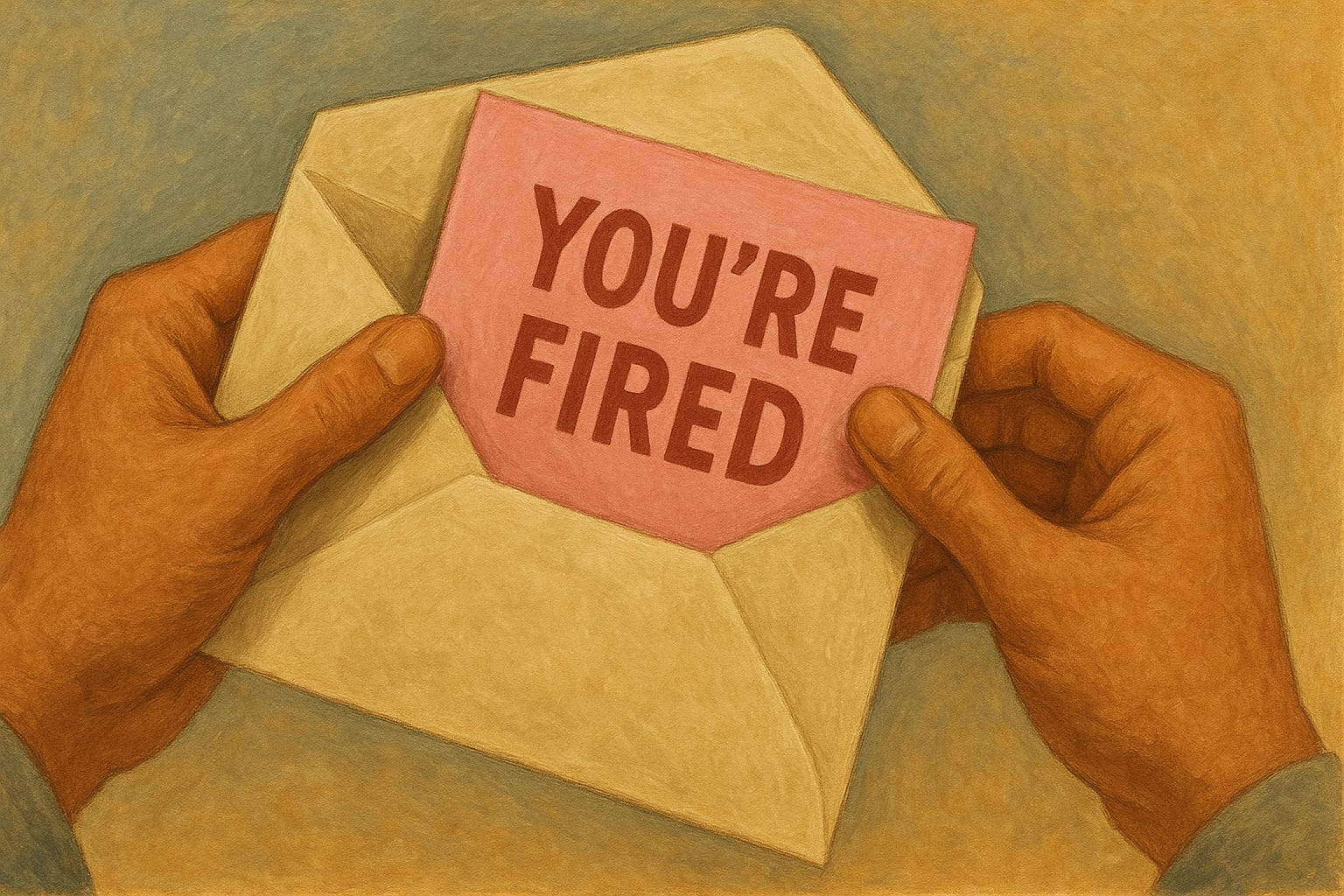
Variety just confirmed what everyone in post already feels — the industry’s colder now than it was during the strikes.
Paramount’s cutting again before quarter close. Mid-tier vendors are folding. Freelancers who never missed a season are sitting at home.
It’s not a correction. It’s a freeze.
And the hardest part isn’t even the layoffs. It’s the silence that follows.
Filling out endless applications, tailoring resumes, hitting “submit” again and again. Refreshing the inbox a dozen times a day, waiting for a response that never comes. If you’re lucky, you get a form rejection.
It wears you down. It’s demoralizing, and you’re not alone in feeling it. A lot of people are carrying that same weight.
“Most of the time? Just silence. It’s demoralizing, and you’re not alone in feeling it.”
Why Sameness Loses
But here’s the harder truth: you’re also in direct competition with those people. Which means if you’re doing the same exact thing everyone else is doing—spraying resumes into the same portals with the same language—you’re already behind.

Scroll any job feed right now and it’s the same language — “dynamic, collaborative, adaptable.”
Everyone’s copying everyone else’s cover letter, hoping the algorithm can tell the difference.
But the companies doing the layoffs aren’t looking for sameness anymore. They’re looking for signal — who can show up, translate skill into value, and keep the project moving when half the team’s been cut.
You have to be different.
You have to sell yourself differently.
LinkedIn as the Trade Show Floor
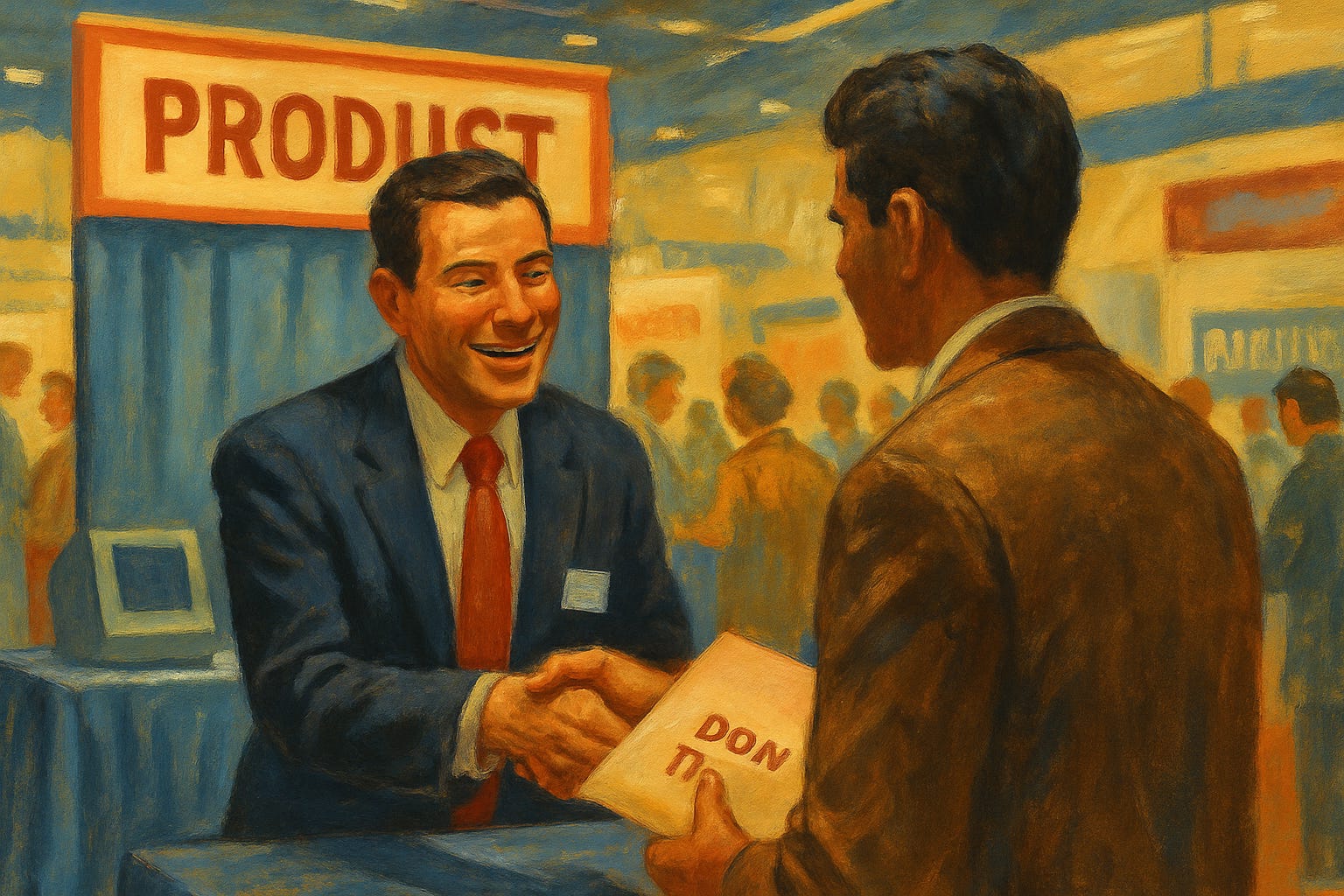
That’s where LinkedIn comes in. It doesn’t have to be the only path, but it’s one of the arenas. And you should treat it for what it is: the trade show floor of the modern economy. Everybody’s got a booth. Everyone’s got a pitch. “Here’s what I’ve built. Here’s why it matters. Who can I meet? Who’s hiring? Who’s buying?” It can feel boastful, sure, but that’s the point.
Nobody walks into a convention whispering. LinkedIn is loud on purpose.
You’ve Been Closing All Along
But I get it: it can feel intimidating. You scroll past a 23-year-old AE (that’s account executive—not assistant editor) bragging about closing a million-dollar SaaS deal. Or you hit a gatekeeper SDR (not standard dynamic range, despite how it reads in my head) on a Zoom call and think, What the hell am I doing at 40?
Here’s what I want you to remember:
Every time you landed a job, every freelance gig you booked, every project you delivered—you closed a deal.
That six-figure salary? You closed it.
That steady freelance contract? You closed it.
You out-competed others, pitched your value, and delivered a product.
Don’t discount it because it came with a W-2.
Don’t diminish it because it didn’t look like some SaaS pipeline. You sold yourself. You proved your skill set was worth it. And you’ve done it again and again.
The New Layer: Doing It Differently
But here’s the next layer: even if you’ve done it before, you’ll have to do it differently now. The landscape is shifting. AI is accelerating everything.

You’ll have to dig in, sharpen your skills, and learn new ones.
More marketing.
More sales—real sales.
A deeper ability to put yourself in front of the right people and communicate why you matter.
It’s a shift, yes. But you’re not starting from scratch. You already have the foundation. You already know how to close.
The Muscle of Leadership
That’s the muscle. That’s leadership. Not the flashy LinkedIn headline. Not the big SaaS contract. It’s the quiet, relentless ability to show up, prove yourself, and close the deal of your own livelihood.
Leadership isn’t a title. It’s the muscle to keep moving when the market stops.
You’ve already used it.
Now you’ll have to use it differently — because the market just changed again.
This isn’t just another layoff cycle. It’s the new hiring language being written in real time.